

Three jars, always within reach
Striped pegs for the citrus batches, round drops for honey and chili, cubes for anything starch-moulded. Keeping a jar half full is not laziness — it is how we taste the cure over a week.
How we pair themAsheville, North Carolina · Since 2016
We cook candy in five-kilo batches, pull it by hand on a marble slab, and flavour it with whatever the market gave us that morning. This journal is where the recipes, the failures and the glossy results live.

Everything starts in the same nine-litre kettle at the back of the shop. What changes is the pause — the exact second we lift it off the heat.
Candy is a timing sport. The sugar does not care how good your idea was; it cares whether you pulled the kettle at thread stage or three degrees too late. So we cook small, watch closely, and write down the weather. Humidity is the ingredient nobody lists.
A batch begins with cane sugar, a spoon of glucose and a splash of water. From there the flavour can go two ways: steeped, where citrus peel or cracked cardamom rides in the syrup from the first minute, or folded, where the aromatic goes in off the heat so it keeps its top notes. Most of our lollipops use both — one perfume for the middle, one for the finish.
The swirl is poured in passes onto a warm marble ledge. Two colours, two temperatures, one confident wrist. If the pour hesitates the ribbon shatters, and the shards go into a jar for testing rather than the window. Roughly one batch in nine ends up as test candy. We are honest about that because it is the interesting part.
“A good lollipop should taste like the first thirty seconds and the last three minutes, and it should be worth both.” Nell Abarca · head confectioner
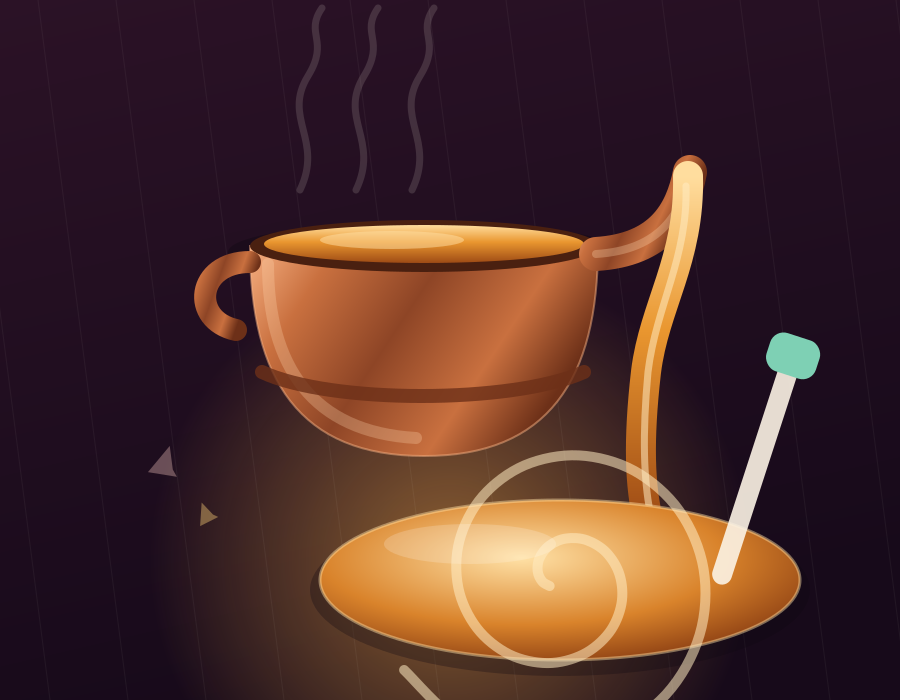
A working board of what is on the marble this month — jars at eye level, botanicals in the pantry, and one exploded lollipop for the curious.
Striped pegs for the citrus batches, round drops for honey and chili, cubes for anything starch-moulded. Keeping a jar half full is not laziness — it is how we taste the cure over a week.
How we pair themA lollipop is a small thing with a short attention span. One key flavour, one supporting note, one texture. The third one is the finish — salt, acid, or a whisper of heat — and it never shows up first.
Read the kitchen notes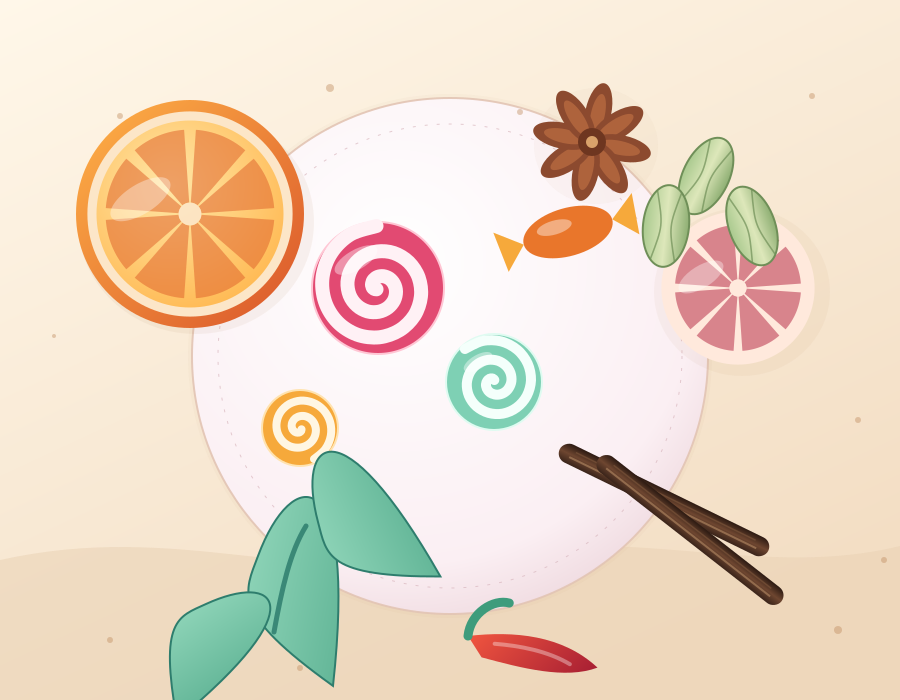
Cardamom is cracked by hand, mint is infused cold, and the chilies are toasted until they smell of raisins rather than fire.
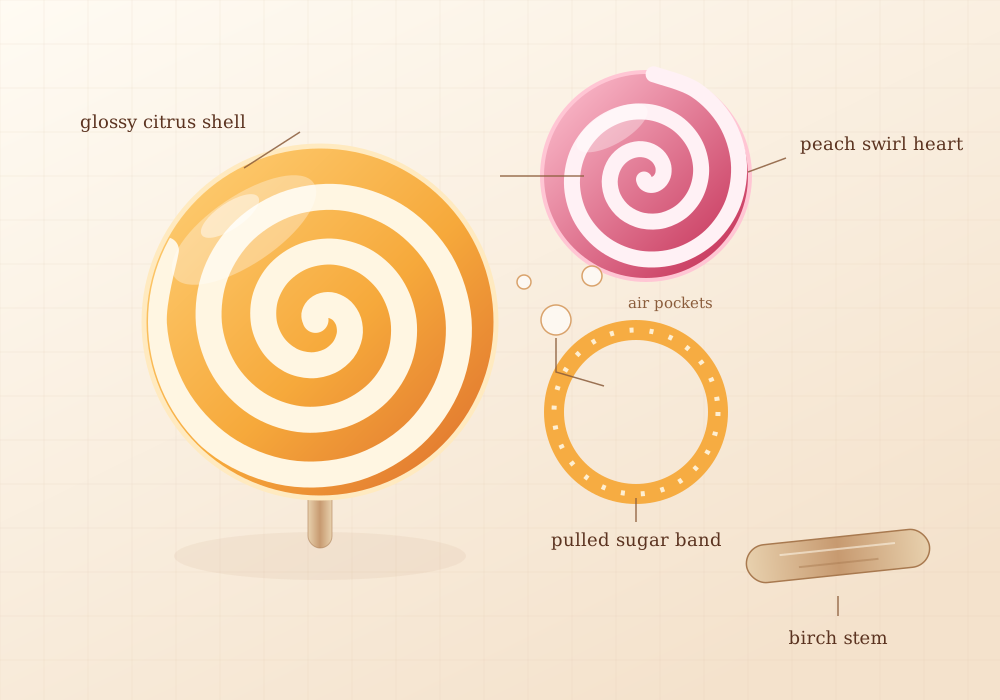
A shell, a poured heart, a band of pulled sugar and a birch stem. Four parts, three temperatures, one very steady wrist.
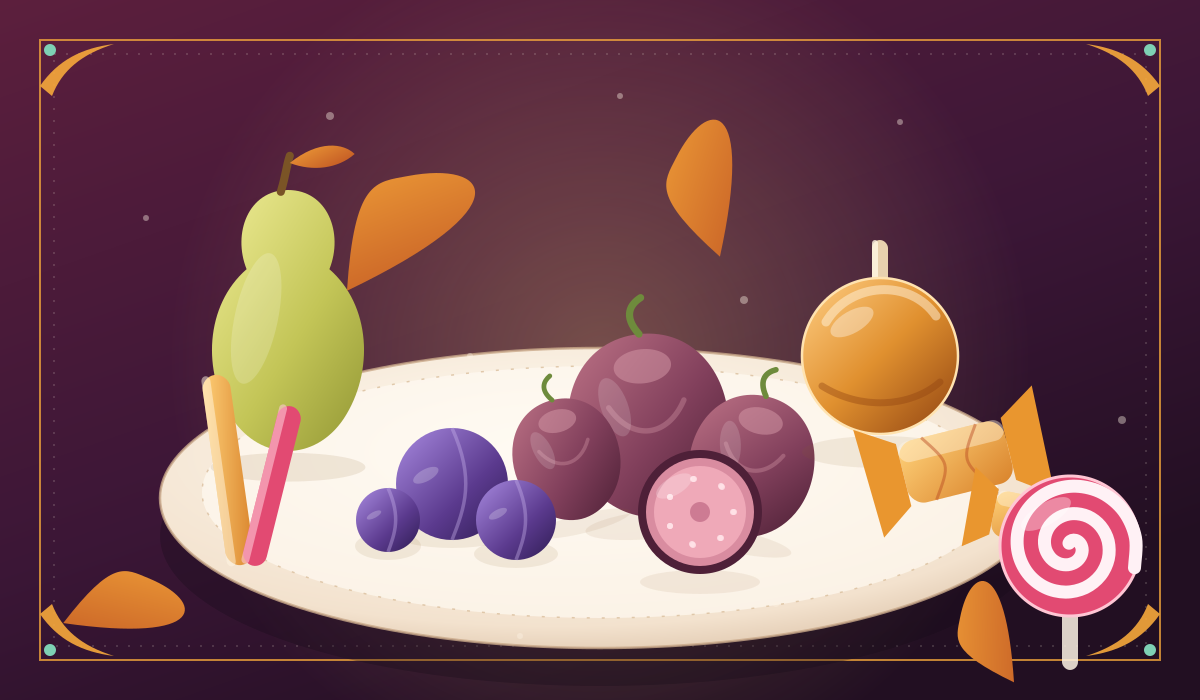
Figs, late pears and the first plums — the three fruits that taste best against a dark caramel.
Pulled sugar gets its shine from air, not from butter. Twelve folds gives a rope that snaps clean at room temperature and softens on the tongue in about four seconds. Fold a thirteenth time and it turns cloudy; fold fewer and it weeps by Thursday.
See the four holdsThe atelier pours on Tuesdays and Fridays, and the tasting counter is open while the marble is still warm. Write ahead and we will save you a shard of whatever went wrong.
Plan a visitSix pantry keys, six ways to build a lollipop. Choose a key and the tasting card rewrites itself — no reload, no fuss.
The same sugar will behave four completely different ways depending on where you stop the cook. Step through the holds.
Sugar held below the boil and stirred until it seizes into fine grains. The result is a short, sandy bite that dissolves in seconds — the base of every fondant and every sugar crust in the room.

The harvest board is rewritten every six weeks. These are the four windows we plan the year around.
Late figs carry enough sugar to ripple through caramel without extra glucose, which makes October the easiest month in the kitchen, and the shortest. By November the pears have gone starchy and we switch to quince and burnt honey.
Short reads from the marble slab, updated between batches.
Peel in early for depth, zest late for lift. A short note on building a citrus lollipop that tastes like fruit instead of floor cleaner.
Open the atlasHow to tell a sugar glass batch is ready by sound alone, and why the third crack is the one that matters.
Step through the holdsOur standing kitchen rules: dry hands, no children at the marble, and what to do in the first ten seconds of a spill.
Read the advisoryThe tasting counter opens while the marble is warm. Tell us which flavour you are curious about and we will pull a shard of it for you — no tickets, no checkout, just sugar and conversation.
148 Larkspur Lane
Asheville, NC 28801
Tuesday & Friday, 10–4